“Can I follow?”
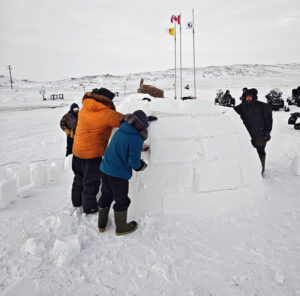
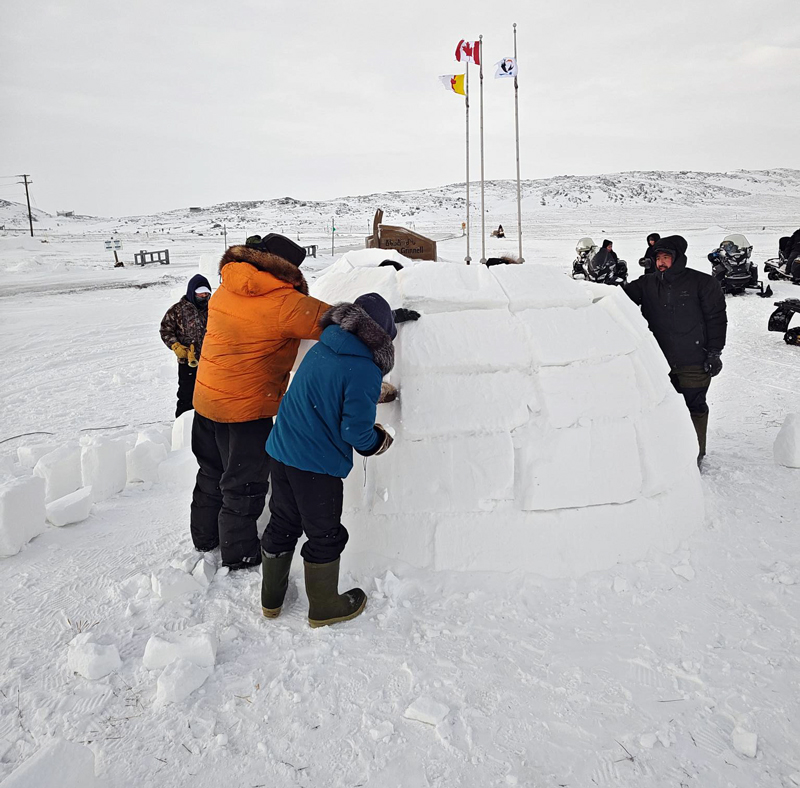
In our mixed world of English and Inuktitut, this is a phrase we often hear. At first it sounded strange to our ears and didn’t always make sense, but over time we have come to realize this expression reflects something beautiful in Inuktitut.
There are two verb roots we know of in Inuktitut that have to do with the idea of following: malik and ilau.
Malik often refers to the physical act of travelling with someone and doing what they are doing, or metaphorically following in their path.
Ilau seems to have more to do with the idea of being with someone as they do something, participating under their guidance or provision, or joining in an activity.
Both of these verbs have their own nuances but are often transferred into English simply as ‘follow’. But together, they paint a richer picture.
Why does this matter?
In the Bible, we are called to follow Christ in many different senses—in His death and life, in His ministry, in His suffering and in His attitude toward others. In many ways, the combined meaning of malik and ilau beautifully reflects what it truly means to be a disciple.
These are just two of many Inuktitut words that deeply convey biblical truth—sometimes even more precisely than English. Discoveries like this will be essential when the day comes to clearly teach God’s Word and help people understand what it means to follow Christ.
Pray that we would continue to grow in language understanding so that when we teach, the message of discipleship will be both clear and compelling.